
Uncategorized
Mimosa Hostilis Root Bark for Sale: A Complete Guide to Botanical Quality and Responsible Buying
Oct
Are you searching for Mimosa Hostilis root bark for sale and want to learn more about this distinctive botanical material before making a purchase? Understanding the plant’s botanical identity, available product forms, sourcing information, and appropriate applications can help you make a more informed decision.
Mimosa Hostilis, commonly associated with the accepted botanical name Mimosa tenuiflora, is a tree native to parts of the Americas, including Brazil. Known by regional names such as Jurema Preta, this plant has a long ethnobotanical history and has attracted interest in natural coloring, botanical research, and traditional plant knowledge.
Whether you are researching plant-derived materials for lawful craft projects or learning about tropical botanical resources, this guide explains what to look for when evaluating Mimosa Hostilis root bark products and researching suppliers online.
What Is Mimosa Hostilis Root Bark?
Mimosa Hostilis root bark, often abbreviated as MHRB in commercial listings, refers to the root bark associated with Mimosa tenuiflora. The plant belongs to the Fabaceae, or legume, family and grows in tropical and subtropical environments.
The bark contains naturally occurring compounds, including tannins and other plant constituents, that have contributed to its interest in botanical studies and traditional material applications.
When searching for Mimosa Hostilis root bark for sale, it is important to understand that common names and commercial descriptions are not always sufficient to establish a product’s identity. Checking the scientific name and the exact plant part is an essential first step.
For additional botanical information, consult Kew’s Plants of the World Online, a reference for scientific plant names and botanical classification.
Where to Find Mimosa Hostilis Root Bark for Sale
Online research can help you explore botanical product listings and compare the information provided by different suppliers. However, availability, shipping destinations, and product specifications should always be confirmed directly.
You can begin by visiting Mimosahostiliss.com to review the information available on the website. Check the current product listings and contact the seller if you need clarification about the botanical material, packaging, shipping options, or applicable purchasing requirements.
You can also use Google to research botanical references, compare publicly available supplier information, and investigate product claims.
When comparing websites, prioritize clear product descriptions, transparent policies, and verifiable information rather than relying exclusively on promotional language or product photographs.
What to Check Before Purchasing
Before selecting a botanical product, consider these important factors:
- Botanical identification: Check whether the listing identifies Mimosa tenuiflora and explains the use of the commercial name Mimosa Hostilis.
- Product form: Confirm whether the material is whole, shredded, or powdered bark.
- Package details: Review the stated quantity, packaging, and storage recommendations.
- Processing information: Look for clear explanations of any claimed milling or preparation method.
- Supplier transparency: Check for accessible contact information, shipping terms, and return policies.
- Documentation: Look for appropriate supporting evidence for claims about origin, purity, or testing.
These checks help you understand what a seller claims to offer without assuming that a particular product meets a quality standard simply because it is advertised online.
Understanding Different Forms of Mimosa Hostilis Root Bark
Botanical bark products can be offered in several physical formats. Understanding these differences can help you interpret product descriptions more accurately.
Whole Root Bark
Whole bark consists of larger pieces that retain more of the original material’s structure. Its appearance and dimensions can vary according to the source and processing method.
Shredded Root Bark
Shredded bark consists of smaller pieces. Suppliers may offer this format for certain lawful botanical craft applications.
Powdered Root Bark
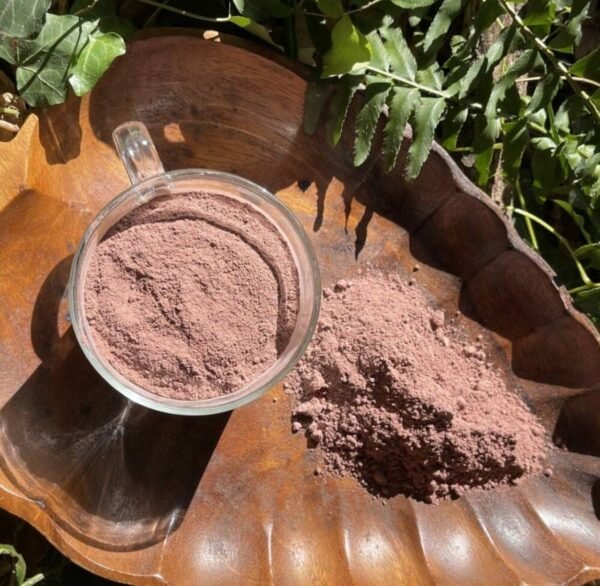
Powdered root bark has been mechanically milled into smaller particles. Product descriptions may mention particle size or milling methods, but those specifications should be verified when they are important to your intended application.
The physical form alone does not prove botanical identity, purity, or consistency. Review the available documentation and product specifications before making comparisons.
Why Is Mimosa Hostilis Root Bark Used in Natural Dye Research?
One area of interest surrounding Mimosa Hostilis is its relationship with plant-based coloring traditions. Bark from Mimosa tenuiflora contains naturally occurring compounds, including tannins, that have attracted interest in natural-material research.
Natural dyeing involves plant-derived materials that may contribute color to compatible substrates. The outcome can vary depending on the botanical source, material composition, and application conditions.
For lawful craft projects, select materials that are suitable for the intended substrate and follow appropriate handling guidance. Test compatibility on a small sample before committing to a larger project.
Avoid assuming that every Mimosa Hostilis product will produce a particular color or deliver identical results. Natural materials can vary, and unsupported claims about guaranteed performance should be treated cautiously.
How to Evaluate a Mimosa Hostilis Supplier
Finding a product listing is only one part of making an informed purchasing decision. A transparent supplier should provide enough information for prospective customers to understand the product and the terms of purchase.
Look for Accurate Product Descriptions
The listing should clearly identify the botanical material, product form, package quantity, and relevant processing details. If the seller advertises cold-milled material or a particular country of origin, check whether supporting information is available.
Review Shipping and Return Policies
Before ordering, confirm delivery destinations, estimated shipping times, tracking arrangements, and return conditions. International shipments may be subject to additional requirements, and customs clearance should never be assumed.
Research Publicly Available Information
Search engines can help you locate botanical references and examine a supplier’s publicly available information. Start with Google Search and compare information from multiple sources.
Search rankings and customer testimonials alone cannot establish authenticity or product quality. Use them as part of a broader assessment.
Responsible Handling, Storage, and Legal Considerations
Botanical bark and fine powders should be handled carefully. Avoid inhaling airborne particles, use appropriate protective equipment when necessary, and store materials in clearly labeled, sealed containers in a cool, dry place.
Keep botanical materials away from children, pets, food, and drink. Do not assume that a plant-derived product is safe for consumption or topical application simply because it is described as natural.
The legal status of Mimosa Hostilis products may depend on the jurisdiction, the material, and its intended use. The plant contains naturally occurring compounds that can be subject to legal controls. Check applicable laws before purchasing, importing, possessing, or using the material, and seek qualified legal guidance when necessary.
Products should only be used for verified, lawful purposes. This article provides general educational information and is not legal or medical advice.
Frequently Asked Questions About Mimosa Hostilis Root Bark for Sale
What does MHRB mean?
MHRB commonly stands for Mimosa Hostilis Root Bark, a commercial term associated with root bark from Mimosa tenuiflora.
How can I check the identity of a botanical product?
Review the scientific name, plant part, product description, and available supporting documentation. A product photograph alone is not sufficient to establish botanical identity.
What should I compare when researching suppliers?
Compare product specifications, packaging details, sourcing information, customer service channels, shipping policies, and any verifiable quality documentation.
Can Mimosa Hostilis root bark be used for natural dye projects?
The bark contains naturally occurring compounds that have attracted interest in natural-coloring research. Suitability and results vary, so verify compatibility and follow appropriate safety precautions.
How can I learn more about Mimosa tenuiflora?
Consult established botanical databases, scientific literature, and other credible references. Kew’s Plants of the World Online is a useful starting point for botanical identification.
Conclusion: Research Mimosa Hostilis Root Bark Before Buying
Searching for Mimosa Hostilis root bark for sale is the first step toward understanding the products available online. A more informed decision comes from checking botanical identification, comparing product forms, reviewing supplier transparency, and understanding applicable legal requirements.
Visit Mimosahostiliss.com to explore the information available on the website, and use reputable botanical references to learn more about the plant.
By prioritizing accurate descriptions, verifiable information, and responsible handling, you can evaluate botanical materials more confidently and make decisions based on a clearer understanding of the product.
