
Uncategorized
Buy Shredded Mimosa Hostilis Root Bark: Quality, Uses, and Buying Guide
Oct
Are you looking to buy shredded Mimosa Hostilis root bark for natural dyeing, botanical research, or other lawful craft applications? Choosing the right botanical material involves more than comparing prices. Understanding product quality, botanical identification, sourcing practices, packaging, and supplier reliability can help you make a more informed purchasing decision.
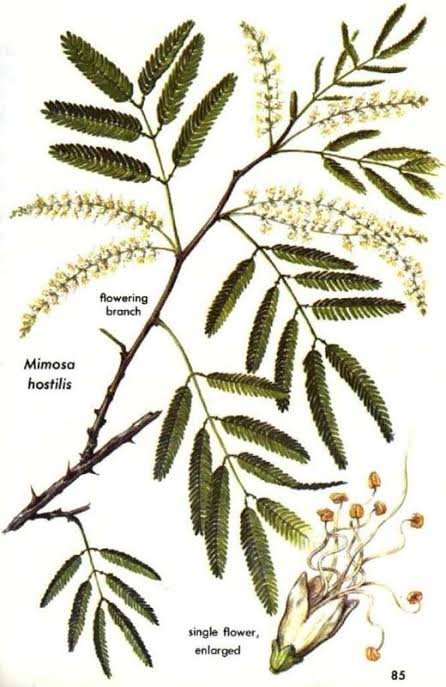
Mimosa hostilis, commonly known by its accepted botanical name Mimosa tenuiflora, is a tropical plant with a long history of traditional and ethnobotanical interest. Its bark is available in different forms, including whole pieces, shredded bark, and finely ground powder. Each form has different physical characteristics that may make it more suitable for particular applications.
In this guide, we explain what shredded Mimosa Hostilis root bark is, what to consider when buying it online, and how to evaluate a supplier before placing an order.
What Is Shredded Mimosa Hostilis Root Bark?
Shredded Mimosa Hostilis root bark is botanical bark material processed into smaller strips or coarse pieces rather than ground into a fine powder. It is associated with Mimosa tenuiflora, a plant native to parts of the Americas.
The names Mimosa hostilis and Mimosa tenuiflora are frequently encountered in botanical and commercial references. Knowing both names can make it easier to research the plant and compare product descriptions from different suppliers.
Shredded bark retains a larger particle size than powdered bark. Its texture, color, and consistency can vary depending on the source material, processing methods, and storage conditions. Appearance alone, however, cannot confirm botanical identity or purity.
When shopping online, check that the product description specifically identifies shredded root bark rather than powder, whole bark, or a different plant material.
Why Buy Shredded Mimosa Hostilis Root Bark?
There are several reasons why buyers may prefer shredded botanical material over other forms.
1. A Coarser Botanical Format
Shredded bark retains a recognizable physical structure, making it distinct from finely ground botanical powder. For suitable craft, collection, and educational applications, this format may be preferable when a coarse material is required.
Before purchasing, confirm that the particle size and preparation match your intended lawful application.
2. Interest in Natural Dyeing
Mimosa tenuiflora bark has attracted interest in traditional natural-coloring practices. Natural dye enthusiasts may research different plant materials for their historical use in textile and craft applications.
Results can vary according to the source material, the fibers being colored, and the broader dyeing process. Do not assume that all shredded bark products will produce identical colors or results.
3. Botanical and Ethnobotanical Research
Shredded root bark may also be of interest to people studying plant identification, traditional botanical knowledge, and the history of plant use.
For reliable background information, consult reputable educational and scientific resources. The University of Texas at El Paso’s Herbal Safety information on Tepezcohuite discusses the plant’s botanical identity and traditional context.
Traditional applications should not be confused with proof of medical effectiveness or safety.
How to Choose Quality Shredded Mimosa Hostilis Root Bark
When searching for shredded Mimosa Hostilis root bark for sale, evaluate the supplier’s product information carefully.
1. Verify the Botanical Name
Look for a clear product description that identifies Mimosa tenuiflora or explains the synonym Mimosa hostilis. Accurate identification helps reduce confusion when comparing botanical materials.
A professional supplier should provide consistent labeling and answer reasonable questions about the product’s origin and identity.
2. Check the Product Form
Confirm that the listing describes shredded root bark. Powdered bark has a much finer texture, while whole bark consists of larger pieces.
These forms are not interchangeable in every application. Read the specifications before ordering to avoid receiving a product that differs from your expectations.
3. Review Product Quality Information
Look for information about processing, handling, packaging, and quality controls. Where appropriate, ask whether the supplier can provide documentation concerning botanical identity and potential contaminants.
Color and texture can provide preliminary observations, but neither can independently establish purity or authenticity.
4. Examine Packaging and Storage
Botanical materials should be packaged to help protect them from excess moisture, environmental contamination, and damage during transport.
Check whether the seller describes its packaging and provides suitable storage recommendations. After receiving any lawful botanical material, follow the product’s storage instructions and avoid using material that shows visible mold or contamination.
5. Compare Prices and Shipping Terms
Price is an important factor, but the cheapest listing may not offer the best overall value. Compare product quantity, shipping fees, estimated delivery times, return policies, and available quality documentation.
Transparent pricing and clear terms make it easier to evaluate suppliers fairly.
Where to Buy Shredded Mimosa Hostilis Root Bark Online
Online shopping provides a convenient way to research botanical products and compare available information. However, buyers should verify the actual product listing and the seller’s policies before placing an order.
You can visit MimosaHostiliss.com to explore the website and review the information available about its products and services.
Before ordering, confirm the following:
- The product is specifically described as shredded Mimosa Hostilis root bark.
- The botanical identity and product specifications are clearly stated.
- The listed quantity and total price are easy to understand.
- Shipping destinations, delivery estimates, and return policies are available.
- The product can legally be purchased, possessed, and imported for your intended lawful use.
You can also use Google to research botanical terminology, compare publicly available supplier information, and find independent educational resources.
Remember that a professional-looking website or positive customer review does not independently prove a product’s identity, quality, or suitability.
Shredded Root Bark vs. Mimosa Hostilis Powder
One common question among buyers is whether shredded root bark or powdered bark is the better option.
Shredded root bark consists of coarse pieces or strips and may be suitable when the intended application calls for a larger particle size.
Powdered root bark is mechanically ground into smaller particles and has a finer texture.
Neither form is automatically superior. The appropriate choice depends on the lawful application, product specifications, and handling requirements.
Always read the product description carefully and select the physical form that matches your actual needs.
Responsible Sourcing and Legal Considerations
Responsible purchasing includes considering where botanical materials come from and how they are handled. Where possible, look for suppliers that provide meaningful information about sourcing and responsible harvesting practices.
Buyers should also understand that regulations concerning botanical materials can differ between countries. Additional restrictions may apply to certain plant constituents, extracts, preparations, or intended uses.
Before placing an order, check the laws governing purchase, possession, shipping, and importation in your jurisdiction. Do not assume that a product is permitted simply because it appears on an online store.
Shredded root bark should not be treated as a food or medicinal product unless it has been appropriately assessed and is legally authorized for that use. Avoid unsupported health claims and follow relevant safety requirements.
Frequently Asked Questions
What is shredded Mimosa Hostilis root bark?
It is a coarse botanical material associated with Mimosa tenuiflora, commonly known as Mimosa hostilis. Unlike powder, shredded bark retains a larger particle size.
What is shredded Mimosa Hostilis root bark used for?
It is discussed in connection with natural-material crafts, dye-related research, botanical collections, and ethnobotanical studies. Suitability depends on the product and the intended lawful application.
How can I identify a reliable supplier?
Look for clear botanical identification, accurate product descriptions, transparent pricing, appropriate packaging information, responsive customer support, and relevant quality documentation.
Is shredded bark the same as powdered bark?
No. Shredded bark consists of larger pieces, whereas powdered bark has been ground into a finer material. Check the listing to ensure you select the correct form.
Can I order shredded Mimosa Hostilis root bark internationally?
That depends on the seller’s shipping policies and the regulations in the origin, transit, and destination countries. Verify the applicable requirements before purchasing.
Conclusion: Make an Informed Choice When Buying Shredded Mimosa Hostilis Root Bark
Choosing to buy shredded Mimosa Hostilis root bark starts with understanding the product, identifying your requirements, and researching the supplier. By checking botanical names, reviewing product specifications, comparing prices, and evaluating packaging and sourcing information, you can make a more informed purchasing decision.
Whether your interest involves natural dyeing, botanical education, or lawful craft applications, prioritize transparency, responsible sourcing, and compliance with local regulations.
Visit MimosaHostiliss.com to review the information available on the website, and consult independent resources such as Google to continue your research.
A good purchasing decision begins with accurate information, realistic expectations, and responsible handling.
