
Uncategorized
Buy Mimosa Bark: A Complete Guide to Responsible Shopping
Oct
Are you looking to buy Mimosa bark and want to understand what to look for before choosing a supplier? Whether you are researching botanical materials, exploring natural dye traditions, or learning about plant-derived resources, understanding botanical identification, product descriptions, and supplier transparency can help you make a more informed decision.
Mimosa bark is a broad commercial term that can refer to bark from different species within the Mimosa genus. One species frequently associated with this market is Mimosa tenuiflora, also known commercially as Mimosa Hostilis. Because common names can be confusing, it is important to check the scientific name and the exact plant part described in a product listing.
This guide explains the basics of Mimosa bark, what to consider when comparing suppliers, and how to research botanical products responsibly.
What Is Mimosa Bark?
Mimosa bark refers to bark collected from plants belonging to the Mimosa genus. Different species have different botanical characteristics and chemical compositions, so the term does not identify a single standardized product.
Mimosa tenuiflora, sometimes marketed as Mimosa Hostilis, is a tree native to parts of the Americas, including Brazil. Its bark has a history of traditional use and has attracted scientific interest because of its naturally occurring plant compounds. Botanical research has also examined the bark’s tannins and other constituents.
If you plan to buy Mimosa bark, begin by confirming the species, plant part, and intended application. A clear product description is more useful than a listing that relies on a common name alone.
What to Consider Before You Buy Mimosa Bark
Choosing a botanical material requires careful attention to product information. Price and appearance can be useful comparison points, but neither independently proves authenticity or quality.
1. Confirm the Botanical Name
Look for the scientific name on the product page. If the listing uses the name Mimosa Hostilis, check whether it also identifies the material as Mimosa tenuiflora.
The Royal Botanic Gardens, Kew, provides a useful botanical reference for checking accepted plant names. You can consult its Plants of the World Online database to learn more about botanical identification.
2. Understand the Product Form
Depending on the species and supplier, bark materials may be sold in different physical forms.
- Whole bark: Larger pieces that retain more of the original material’s structure.
- Shredded bark: Smaller pieces of bark.
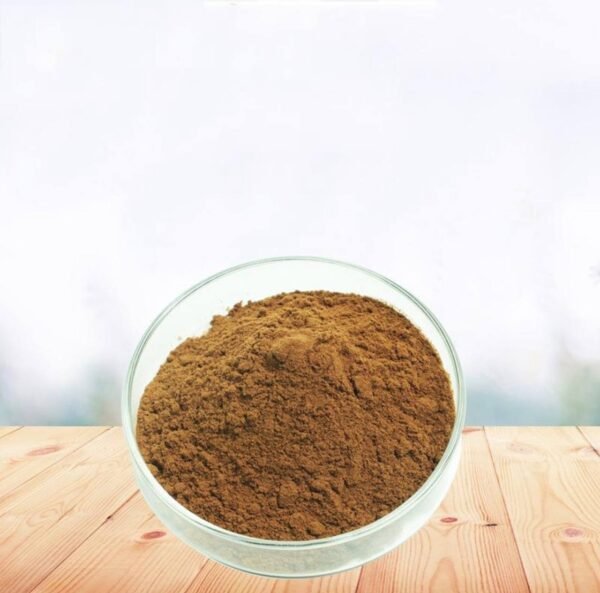
- Powdered bark: Material processed into smaller particles.
Not every supplier offers every format. Read the listing carefully and confirm the actual product form, package weight, and processing details before ordering.
3. Review Product Information
A transparent listing should clearly describe the botanical material and provide relevant product specifications. If the seller makes claims about country of origin, milling methods, purity, or laboratory testing, look for supporting documentation.
Photographs can help you understand the product’s appearance, but they cannot independently establish botanical identity or rule out contamination.
4. Check Supplier Policies
Before purchasing online, review the seller’s contact information, shipping terms, return policy, and privacy policy. These details help you understand the purchasing process and what to expect if a question or delivery issue arises.
Where Can You Research Mimosa Bark Online?
Online research can help you compare botanical information and understand the products offered by different sellers. However, availability, shipping destinations, and product specifications should always be confirmed directly.
You can visit Mimosahostiliss.com to review the information available on the website. Check the current product listings and contact the seller if you need clarification about a product’s botanical identity, physical form, or purchasing requirements.
You can also use Google to find botanical references and investigate publicly available information about suppliers. Search results can help you begin your research, but a high search ranking is not proof of product quality or seller reliability.
When comparing websites, prioritize accurate descriptions, transparent policies, and verifiable information rather than promotional claims alone.
Mimosa Bark and Natural Dye Research
Plant-derived materials have a long history in natural coloring and traditional craft practices. Some bark materials contain tannins and other naturally occurring compounds that are relevant to botanical dye research.
The suitability of any bark for a particular coloring project depends on its species, composition, processing, and intended application. Results can vary, and the name Mimosa bark alone does not guarantee a particular color or performance.
For lawful craft applications, verify that the material is appropriate for the intended project and follow suitable handling guidance. When working with powdered plant materials, avoid inhaling airborne dust and use appropriate protective equipment.
Scientific publications can provide more reliable information about botanical composition than unverified marketing descriptions. For example, research published in the Journal of Ethnopharmacology has examined the identification and chemical characteristics of Mimosa tenuiflora bark.
Responsible Handling and Storage
Botanical materials should be handled carefully, especially when supplied as fine powders. Keep them in clearly labeled, sealed containers and store them in a cool, dry place away from moisture and contamination.
Keep bark materials away from children, pets, food, and drink. Do not assume that a botanical product is safe to consume or apply to the body simply because it is plant-derived.
Mimosa tenuiflora can contain compounds that are subject to legal controls in some jurisdictions. Before purchasing, importing, possessing, or using a product, verify the laws that apply to your location and intended use.
Frequently Asked Questions About Buying Mimosa Bark
What does Mimosa bark mean?
Mimosa bark is a general term for bark from plants in the Mimosa genus. The exact species and plant part should be confirmed from the product description.
Is Mimosa bark the same as Mimosa Hostilis?
Not necessarily. Mimosa Hostilis is a commercial name associated with Mimosa tenuiflora, but other products marketed as Mimosa bark may come from different species. Check the scientific name before making a comparison.
How can I evaluate a botanical supplier?
Review botanical identification, product specifications, sourcing information, customer service details, and relevant documentation. Avoid relying on photographs or unsupported claims as proof of quality.
Where can I learn more about Mimosa bark?
Start with botanical databases, scientific publications, and transparent supplier information. The Kew botanical database and Google Search are useful starting points for further research.
Make an Informed Decision When You Buy Mimosa Bark
When you buy Mimosa bark, understanding the botanical species, product form, and supplier information is essential. Common names can refer to different materials, so accurate identification and transparent product descriptions should be priorities.
Begin your research at Mimosahostiliss.com, review the available product information, and confirm any important specifications directly with the seller. Use reputable botanical references to verify terminology, and check applicable legal requirements before making a purchase.
A thoughtful approach to botanical shopping helps you compare products more confidently while prioritizing responsible handling, accurate information, and informed decision-making.
