
Uncategorized
Buy Mimosa Hostilis Root Bark: A Complete Guide to Choosing Botanical Materials Online
Oct
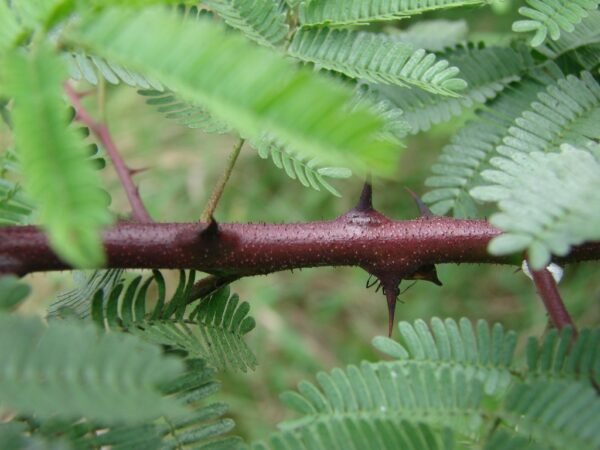
If you are researching where to buy Mimosa Hostilis root bark, understanding the botanical material, available product forms, and supplier transparency can help you make a more informed decision. Mimosa Hostilis, commonly associated with the scientific name Mimosa tenuiflora, is a tree native to parts of Central and South America, including Brazil. Its bark has attracted interest in traditional botanical practices and natural-material research.
Whether you are exploring plant-based materials for lawful craft projects or learning about botanical resources, it is important to understand what you are purchasing and how to evaluate product information before placing an order.
In this guide, we cover the essential considerations for researching Mimosa Hostilis root bark online, identifying product specifications, and evaluating sellers responsibly.
What Is Mimosa Hostilis Root Bark?
Mimosa Hostilis is commonly known as Jurema Preta in Brazil and is also referred to as Tepezcohuite in some contexts. The plant belongs to the legume family and grows in regions of Latin America.
Mimosa Hostilis root bark, often abbreviated as MHRB in commercial listings, refers to bark material associated with the plant’s roots. The bark contains naturally occurring substances, including tannins, that have contributed to interest in its traditional and botanical applications.
When shopping online, look beyond the common product name. A detailed listing should identify the botanical species, plant part, product form, processing information, and intended application.
Common Forms of Mimosa Hostilis Root Bark
Suppliers may offer different physical forms of botanical bark, depending on their product range and processing methods.
- Whole root bark: Larger pieces that retain more of the original bark’s physical structure.
- Shredded root bark: Smaller pieces that may be convenient for selected botanical craft applications.
- Powdered root bark: Milled material that may be suitable for appropriate non-consumptive craft and natural-coloring projects.
Availability and specifications vary between suppliers, so confirm the exact product form before purchasing.
Where to Buy Mimosa Hostilis Root Bark Online
Finding a suitable supplier requires more than comparing prices. Product descriptions, sourcing transparency, customer support, and clear purchasing policies are important considerations when shopping for botanical materials online.
If you are looking for information about Mimosa Hostilis products, visit Mimosahostiliss.com. Review the website’s available product information and confirm current availability, shipping coverage, and applicable purchasing requirements directly with the seller.
What to Check Before Buying
1. Botanical Identification
Look for the scientific name Mimosa tenuiflora alongside the commercial name Mimosa Hostilis. Botanical identification helps distinguish the advertised material from other plant products.
2. Detailed Product Specifications
A transparent product listing should provide relevant details, such as the physical form, package weight, processing description, and intended use. If a listing makes claims about cold milling, purity, or testing, look for supporting documentation.
3. Supplier Transparency
Responsible sellers should make reasonable efforts to provide accurate product information and clear customer service channels. Check whether the website publishes contact details, shipping terms, and return policies.
4. Shipping and Legal Requirements
Before placing an order, verify whether the seller ships to your location and whether relevant restrictions apply. Do not assume that a botanical product is permitted for every intended use simply because it is advertised online.
Why Do People Research Mimosa Hostilis Root Bark?
Interest in Mimosa Hostilis root bark is associated with its botanical background, traditional uses, and naturally occurring plant compounds.
Interest in Natural Dye Materials
Plant-derived materials have a long history in traditional coloring practices. The tannins and other constituents present in bark can be relevant to research into natural colorants, although actual results depend on the plant material, substrate, and process.
People exploring natural dyes should verify that the selected botanical material is appropriate for their project and test compatibility on a small sample.
Botanical Education and Research
Mimosa tenuiflora can also be of interest to people studying tropical plants, plant identification, and the traditional uses of botanical resources.
When researching the species, prioritize credible botanical references and distinguish documented information from unsupported marketing claims.
How to Evaluate a Mimosa Hostilis Root Bark Product
A careful review of a product listing can help you understand what the supplier is offering.
Consider the following checklist:
- Confirm the botanical name and plant part.
- Review the product’s physical form and package size.
- Check whether processing claims are explained.
- Look for verifiable sourcing or testing information where relevant.
- Read shipping, returns, and privacy policies.
- Verify applicable laws and restrictions before purchasing.
You can use Google to search for botanical references, compare publicly available supplier information, and investigate relevant product claims. Search results are a starting point for research, not a guarantee of seller reliability.
Avoid relying exclusively on product photographs, promotional language, or claims that cannot be independently verified.
Responsible Handling and Storage
Botanical powders and bark materials should be handled carefully. Fine particles can become airborne, so avoid inhaling dust and use appropriate protective equipment when handling powdered materials.
Store botanical materials in a clearly labeled, tightly sealed container in a cool, dry place. Keep them away from moisture, contamination, children, pets, and food preparation areas.
Mimosa Hostilis root bark should not be assumed safe for ingestion or other body-related applications based solely on its botanical origin. Use products only for verified, lawful purposes and follow relevant safety guidance.
Is Mimosa Hostilis Root Bark Legal to Purchase?
The legal status of a botanical material can depend on its intended use, preparation, location, and applicable laws. Certain compounds associated with Mimosa tenuiflora may be subject to legal restrictions, and activities involving controlled substances can carry separate legal consequences.
Before buying Mimosa Hostilis root bark, check current federal, state, and local requirements, as well as any importation or transportation restrictions that may apply. For specific legal questions, consult an appropriate legal professional or authoritative government resource.
This article is intended for general educational purposes and is not legal advice.
Frequently Asked Questions
What does MHRB mean?
MHRB commonly stands for Mimosa Hostilis Root Bark, a commercial term associated with root bark from Mimosa tenuiflora.
What forms of root bark can I find online?
Depending on the supplier, listings may include whole, shredded, or powdered bark. Always confirm the actual form and specifications in the product description.
How can I assess a supplier’s reliability?
Review product details, contact information, policies, sourcing information, and any verifiable documentation. No single indicator guarantees quality, so consider the available evidence as a whole.
Can Mimosa Hostilis root bark be used for natural coloring?
Its naturally occurring plant compounds have attracted interest in natural-coloring research. Suitability and results vary, so confirm compatibility before using any botanical material in a craft project.
Make an Informed Choice When Buying Mimosa Hostilis Root Bark
When researching where to buy Mimosa Hostilis root bark, focus on accurate botanical identification, clear product specifications, supplier transparency, and responsible handling. Understanding the differences between whole, shredded, and powdered bark can help you evaluate available products more effectively.
Start by visiting Mimosahostiliss.com to review the available website information. Compare product details carefully, investigate relevant claims, and confirm legal and shipping requirements before making a purchase.
Taking time to research botanical materials helps you make better-informed decisions and supports a more responsible approach to purchasing plant-derived products.
