
Uncategorized
Mimosa Hostilis Price Guide 2026: Costs, Quality Factors, and What Buyers Should Know
Oct
Are you researching the Mimosa Hostilis price guide for 2026 to understand what affects the cost of this botanical material? Whether you are learning about plant-derived materials for natural dyeing, soap-making ingredients, or botanical research, understanding product specifications and pricing factors can help you make a more informed decision.
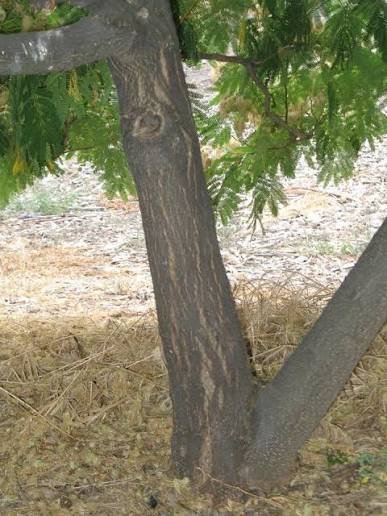
Mimosa Hostilis, commonly associated with the botanical name Mimosa tenuiflora, is a tree native to parts of the Americas, including Brazil. Its bark has a long history of traditional use and is of interest in natural coloring and botanical studies.
In this 2026 guide, we explore the factors that influence Mimosa Hostilis pricing, how to compare product descriptions, and what to consider when evaluating a supplier. Because prices change with availability, package size, and shipping costs, treat online prices as examples rather than guaranteed market averages.
What Is Mimosa Hostilis?
Mimosa Hostilis is a common commercial name associated with Mimosa tenuiflora, a member of the legume family. The plant is also known as Jurema Preta in Brazil and Tepezcohuite in some regions.
Its bark contains naturally occurring compounds, including tannins, that have attracted interest in botanical research and traditional natural-coloring practices.
When researching Mimosa Hostilis prices, start by confirming the scientific name and the plant part identified in the listing. Similar common names can refer to different botanical materials, making accurate identification important when comparing products.
Mimosa Hostilis Price Guide 2026: What Influences the Cost?
There is no single universal price for Mimosa Hostilis. Prices can differ significantly between suppliers because of product specifications, processing, packaging, shipping, and other commercial factors.
1. Product Form and Processing
Botanical bark may be offered in several physical forms, including whole pieces, shredded material, and powder.
- Whole bark: Retains larger pieces of the original material.
- Shredded bark: Consists of smaller pieces.
- Powdered bark: Has been mechanically milled into finer particles.
Processing requirements can affect production costs. However, a finer powder or more elaborate product description does not automatically establish superior quality.
When comparing listings, check whether the products have comparable specifications and intended applications.
2. Package Size
Package size is another important factor in botanical product pricing. Small packages may have higher packaging and handling costs relative to their weight, while larger packages may have different unit prices.
To compare prices fairly, look at the stated package quantity and calculate the price per unit of weight for products intended for the same lawful application.
Remember that a lower unit price does not necessarily mean better value if product identification, documentation, or shipping terms are unclear.
3. Sourcing and Documentation
The origin of a botanical material, its handling, and the information available about its supply chain can influence its commercial value.
Some sellers provide additional documentation about botanical identification, sourcing, or quality controls. When these details matter to your intended use, look for verifiable evidence rather than relying on unsupported claims such as “premium,” “pure,” or “best quality.”
4. Shipping and Packaging
The displayed product price may not represent the total purchase cost. Packaging, shipping, taxes, customs charges, and other applicable fees can affect the final amount.
Before comparing suppliers, review the complete checkout terms and confirm delivery availability for your location.
How to Compare Mimosa Hostilis Prices in 2026
A useful price comparison starts with consistent information. Comparing products with different botanical identities, package sizes, or intended uses can produce misleading conclusions.
Use this checklist when evaluating product listings:
- Confirm the scientific name and plant part.
- Review the physical form and package quantity.
- Check any stated processing specifications.
- Look for verifiable sourcing or quality documentation.
- Review shipping fees and applicable taxes.
- Read the seller’s return policy and contact information.
- Verify relevant legal requirements for your location and intended use.
You can use Google to research botanical references and find general information about suppliers. Search results can help you begin your research, but they do not independently verify product quality or establish a reliable average market price.
What Does a Good-Value Botanical Product Look Like?
Price is only one part of a purchasing decision. A well-documented product listing should explain what the material is, how it is presented, and what information is available to support important claims.
Clear Product Information
Look for accurate botanical identification, a clear description of the plant part, and transparent package specifications.
Verifiable Quality Claims
If a listing claims that a product is laboratory-tested, sustainably sourced, or processed using a particular method, check whether supporting information is available.
Transparent Purchasing Terms
Review customer service information, delivery estimates, return conditions, and any restrictions before making a purchase.
Appropriate Intended Use
Make sure the product is suitable for your lawful application. For natural dye or craft projects, consider compatibility with the material you intend to work with and follow appropriate handling precautions.
Where to Find More Information About Mimosa Hostilis
If you are researching Mimosa Hostilis products, visit Mimosahostiliss.com to review the information available on the website.
Check current product descriptions and contact the seller directly if you need clarification about specifications, packaging, shipping, or purchasing requirements.
For botanical identification, you can also consult Kew’s Plants of the World Online, a botanical database that helps readers research scientific plant names and classification.
Using both supplier information and independent botanical references provides a more balanced starting point for your research.
Responsible Handling and Legal Considerations
Botanical materials should be handled carefully. Avoid inhaling airborne dust from powdered materials, use appropriate protective equipment when needed, and store products in sealed, clearly labeled containers away from moisture, children, pets, and food.
Do not assume a botanical product is suitable for consumption or topical application merely because it is plant-derived.
The legal status of Mimosa Hostilis products can depend on jurisdiction, preparation, and intended use. Some compounds naturally associated with the plant may be subject to legal controls. Before purchasing, importing, possessing, or using a product, verify the laws applicable to your circumstances.
This article provides general educational information and should not be treated as legal or medical advice.
Frequently Asked Questions About Mimosa Hostilis Prices
Why do Mimosa Hostilis prices vary?
Prices vary according to product form, package size, processing, sourcing information, supplier costs, and shipping arrangements. Different listings may also describe different botanical materials, so confirm product identity before comparing prices.
Are more expensive products always better?
No. A higher price does not automatically demonstrate better quality. Evaluate the available specifications, documentation, and supplier transparency instead of relying on price alone.
How can I compare prices fairly?
Compare products with matching botanical identities, comparable package quantities, and similar specifications. Include shipping and other applicable fees when evaluating total costs.
