
Uncategorized
Buy Mimosa Hostilis in Bulk: A Complete Guide to Quality, Sourcing, and Wholesale Purchasing
Oct
Are you looking to buy Mimosa Hostilis in bulk for natural dyeing, botanical research, or other lawful craft applications? Choosing the right botanical supplier is an important step for businesses, artisans, and professionals who need consistent materials, transparent product information, and dependable service.
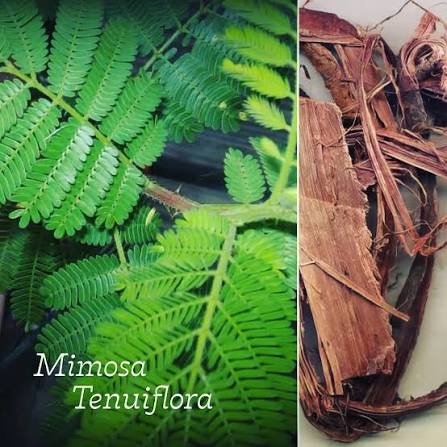
Mimosa hostilis, commonly associated with the botanical name Mimosa tenuiflora, is a plant native to parts of the Americas. Its bark has attracted interest for traditional uses and natural coloring applications. When purchasing botanical materials in larger quantities, buyers should consider botanical identification, product specifications, packaging, sustainability, and local regulations before placing an order.
This guide explains what to look for when buying Mimosa Hostilis in bulk and how to make a more informed purchasing decision.
Why Buy Mimosa Hostilis in Bulk?
Buying botanical materials in bulk may be practical for organizations and professionals that require larger quantities for recurring projects. However, the benefits depend on the intended application, supplier reliability, and the quality of the material being purchased.
1. Better Planning for Large Projects
Artisans, natural dye enthusiasts, and businesses working with botanical materials may need consistent supplies for ongoing projects. Purchasing appropriate quantities in advance can make inventory planning easier and reduce the need for frequent reordering.
Before purchasing, estimate your actual requirements and confirm that the supplier can provide the product specifications you need.
2. Potential Wholesale Cost Savings
Bulk purchasing may offer a lower price per unit than buying several smaller packages. Some suppliers also provide wholesale quotations for larger orders.
Compare the total cost rather than focusing exclusively on the advertised price. Shipping fees, packaging, import charges, taxes, and minimum order quantities can influence the final amount you pay.
3. More Consistent Inventory Management
For commercial users, reliable inventory is essential. A supplier that maintains clear batch identification and provides consistent product descriptions can make it easier to manage purchasing records and plan future projects.
Ask whether repeat orders can be supplied with comparable specifications and whether batch documentation is available.
What Is Mimosa Hostilis?
Mimosa hostilis is a name commonly used in commerce for Mimosa tenuiflora, a woody plant associated with tropical and subtropical regions of the Americas.
The plant is also known by regional names, including Jurema Preta and Tepezcohuite. Different product listings may describe bark in several forms, including chips, shredded material, and powder.
These forms can differ in particle size and suitability for particular lawful applications. Buyers should therefore confirm exactly what a listing contains instead of assuming that every product described as Mimosa Hostilis is identical.
If you are researching botanical products, start with the scientific name and verify the plant part, processing information, and stated intended use.
How to Choose a Reliable Bulk Mimosa Hostilis Supplier
Finding a supplier involves more than searching for the lowest wholesale price. The following considerations can help you evaluate available options.
1. Verify Botanical Identity
Look for a clear botanical name and a description of the plant material being sold. A trustworthy supplier should be able to explain the product’s identity and provide relevant sourcing documentation when available.
Avoid relying on color, texture, or marketing descriptions alone to determine authenticity.
2. Review Product Specifications
Before ordering, confirm whether the product is powdered bark, shredded bark, or another form of botanical material.
For professional applications, request relevant quality documentation, including information about contaminants and handling procedures where appropriate. Product specifications should match your intended lawful use.
3. Check Packaging and Storage Information
Bulk botanical products require appropriate packaging to help protect them during transport and storage.
Look for securely sealed packaging, clear labels, and suitable storage instructions. Ask the supplier how products are protected against moisture and contamination during shipping.
4. Compare Wholesale Pricing
Request a detailed quotation for the quantity you require. Compare the price per unit, shipping costs, delivery estimates, payment terms, and any minimum order requirements.
A transparent quotation makes it easier to compare suppliers fairly and avoid unexpected expenses.
5. Evaluate Customer Support
Good communication is particularly important when purchasing larger quantities. Before placing an order, check whether the supplier responds clearly to questions about product specifications, shipping, returns, and documentation.
A professional supplier should explain its policies without making unsupported claims about purity, health benefits, or product performance.
Where to Buy Mimosa Hostilis in Bulk
If you are researching potential suppliers, begin by reviewing their product catalogs and checking whether they provide the quantity and product form you need.
You can visit MimosaHostiliss.com to explore the website and review the available information. Confirm the current product listings, ordering conditions, shipping policies, and intended-use restrictions before making a purchase.
For wholesale inquiries, it is helpful to establish the quantity required, destination country, preferred product form, and documentation needs before contacting a supplier.
You can also use Google Search to research botanical suppliers, compare publicly available product information, and look for independent business reviews.
Remember that online listings and customer testimonials do not independently establish botanical identity or product quality. Verify important claims through appropriate documentation and independent checks.
Sustainable Sourcing and Responsible Purchasing
Responsible sourcing is an important consideration when purchasing botanical materials in larger quantities. Increased demand can place pressure on natural resources if harvesting and supply chains are not managed appropriately.
Where possible, ask suppliers about the origin of their products, sourcing practices, and measures taken to support responsible harvesting.
For businesses that use botanical materials in crafts or natural dyeing, supplier transparency can also help support purchasing policies that prioritize traceability and environmental responsibility.
Buyers should check applicable import, export, and possession regulations before ordering internationally. Legal requirements vary between jurisdictions and may depend on the material, its composition, and its intended use.
Common Mistakes to Avoid When Buying in Bulk
Avoiding a few common mistakes can help make wholesale purchasing more straightforward.
- Choosing price over transparency: An unusually low quotation is not proof of value if product specifications and sourcing information are unclear.
- Ordering too much too soon: Estimate your requirements before committing to a large quantity.
- Ignoring shipping costs: International delivery and import fees can significantly affect the total price.
- Skipping documentation checks: Request relevant product and batch information before placing a substantial order.
- Assuming every product has the same application: Confirm the product form and its suitability for your intended lawful purpose.
- Overlooking legal requirements: Check local rules and import restrictions before completing an order.
Frequently Asked Questions About Buying Mimosa Hostilis in Bulk
Is buying Mimosa Hostilis in bulk more economical?
It can be, depending on the supplier’s wholesale pricing, order size, shipping fees, and other costs. Compare the complete quotation before deciding whether a bulk purchase offers genuine savings.
What should I check before ordering wholesale quantities?
Confirm the botanical identity, plant part, product form, packaging, quality documentation, shipping terms, and applicable legal requirements. For commercial projects, also consider whether the supplier can provide consistent specifications for repeat orders.
Can I order Mimosa Hostilis internationally?
International availability depends on the seller’s shipping policies and the laws of the destination and transit countries. Verify applicable restrictions before paying for an international shipment.
How can I compare bulk suppliers?
Compare documented product specifications, supplier transparency, total delivered cost, customer service, and relevant quality-control procedures. Do not rely exclusively on product photographs or advertised discounts.
Conclusion: Make an Informed Bulk Purchase
Choosing to buy Mimosa Hostilis in bulk requires careful research and realistic planning. Whether you are sourcing botanical materials for natural dyeing, craft projects, or legitimate botanical research, focus on transparent product information, appropriate documentation, responsible sourcing, and compliance with applicable regulations.
Compare wholesale quotations, verify the product form, understand shipping requirements, and confirm that the material is suitable for your intended lawful application before placing an order.
Visit MimosaHostiliss.com to review the information available on the website, and use independent resources such as Google to support your supplier research.
The best purchasing decision is one that balances cost, product transparency, responsible sourcing, and legal compliance.
