
Uncategorized
Mimosa Hostilis Powder for Sale: Quality, Uses, and Buying Guide
Oct
Are you searching for Mimosa Hostilis Powder for Sale and want to understand what to look for before making a purchase? Mimosa hostilis, also known by its accepted botanical name Mimosa tenuiflora, is a tropical plant that has attracted interest because of its botanical properties, traditional history, and applications in certain cosmetic and natural-dye contexts.
Finding a suitable botanical product requires more than comparing prices. Buyers should consider product identification, processing methods, packaging, supplier transparency, and local regulations. This guide explains the essential factors to consider when researching Mimosa Hostilis Powder and choosing a reputable supplier.
What Is Mimosa Hostilis Powder?
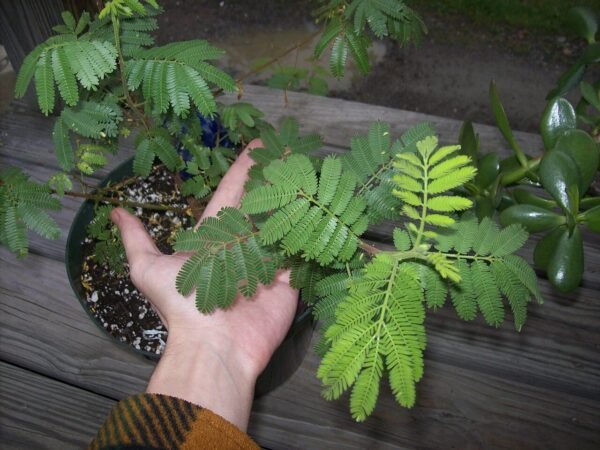
Mimosa Hostilis Powder is a finely ground botanical material derived from the bark of the Mimosa hostilis plant. The plant is native to parts of the Americas and is known by several regional names, including Jurema Preta and Tepezcohuite.
The botanical name Mimosa tenuiflora is widely used in scientific references, while Mimosa hostilis remains common in commercial product descriptions. Understanding these names can help buyers identify relevant information and compare product listings more accurately.
The appearance of powdered bark may vary depending on the source material and processing conditions. Therefore, color and texture alone should not be treated as proof of botanical identity or quality.
Why Are People Searching for Mimosa Hostilis Powder for Sale?
Interest in Mimosa Hostilis Powder comes from its botanical background and the range of legitimate research, craft, and cosmetic-related contexts in which the plant has been discussed.
Potential areas of interest include:
- Botanical research: Studying plant identification, classification, and characteristics.
- Natural dye research: Exploring the historical use of plant materials in natural coloring and craft applications.
- Cosmetic ingredient research: Investigating documented uses of Mimosa tenuiflora bark-derived ingredients in topical formulations.
- Ethnobotanical studies: Learning about the plant’s historical and cultural significance in regions where it grows.
The suitability of any particular powder depends on its documented composition, intended application, and applicable regulations. Traditional use does not automatically establish medical effectiveness or safety.
How to Choose Quality Mimosa Hostilis Powder
When researching Mimosa Hostilis Powder for sale, evaluate the supplier and product information carefully. A responsible purchasing decision starts with transparent descriptions rather than exaggerated claims.
1. Check Botanical Identification
Look for a product listing that clearly identifies the botanical source. References to Mimosa hostilis and Mimosa tenuiflora may describe the same plant, but the supplier should still provide clear and consistent product information.
Reliable identification is particularly important when comparing different botanical materials or researching their intended applications.
2. Review Product Specifications
Read the product description to understand whether the material is powdered bark, shredded bark, or another botanical preparation. These forms are not interchangeable.
If the material is intended for professional cosmetic or laboratory work, ask the supplier for relevant specifications, documentation, and information about contaminants or quality-control procedures.
3. Look for Secure Packaging
Powdered botanical materials should be stored in clean, sealed packaging that protects them from excess moisture and contamination.
Clear labeling, suitable packaging, and storage instructions can help buyers assess whether a supplier takes product handling seriously.
4. Compare Prices Carefully
Price is an important consideration, but the lowest advertised price is not necessarily the best value. Compare the stated quantity, product description, shipping costs, and available quality documentation.
Be cautious of sellers who promise guaranteed medical benefits or make claims that cannot be supported by credible evidence.
Where Can You Find Mimosa Hostilis Powder for Sale?
If you are researching suppliers, start by reviewing their product information, business policies, and contact details. A well-organized website should make it easier to understand what is being offered and whether the product is suitable for your lawful intended purpose.
Visit MimosaHostiliss.com to explore the website and review the information available there. Before placing an order, confirm that the relevant product is listed, check its description, and read the supplier’s current terms and policies.
It is also useful to conduct independent research before choosing a seller. You can use Google to search for botanical references, supplier reviews, and additional information about Mimosa tenuiflora.
Remember that online listings and customer reviews do not independently verify product purity, botanical identity, or suitability for a particular application.
Important Safety and Legal Considerations
Before purchasing Mimosa Hostilis Powder, check the laws that apply to your location and intended use. Restrictions can differ between countries and regions, particularly when regulations address specific plant constituents or preparations.
The Canadian government’s Natural Health Products Ingredients Database discusses Mimosa tenuiflora bark-derived ingredients and relevant conditions for their use. This illustrates why buyers should distinguish between a botanical ingredient’s identity and its regulatory status in a particular product category.
Do not assume that a product is approved for consumption simply because it is sold online. Avoid ingesting or inhaling unidentified botanical powders, and do not use a product on the skin unless it is appropriately prepared and specifically suitable for that application. Consult a qualified professional when assessing cosmetic safety or other specialized uses.
Frequently Asked Questions About Mimosa Hostilis Powder
What is Mimosa Hostilis Powder used for?
Its potential areas of legitimate interest include botanical research, natural-dye studies, ethnobotany, and research into appropriately formulated topical cosmetic ingredients. Specific uses depend on the product’s composition and applicable safety requirements.
Is Mimosa hostilis the same as Mimosa tenuiflora?
Mimosa tenuiflora is the botanical name commonly accepted in modern references, while Mimosa hostilis is a widely recognized synonym. Checking the scientific name helps when researching plant identity.
How should powdered botanical material be stored?
In general, suitable powdered botanical materials should be kept in a clean, tightly sealed container away from excess humidity, direct sunlight, and excessive heat. Follow any product-specific storage instructions.
What should I check before ordering online?
Review the botanical identification, product form, quantity, supplier contact information, quality documentation, shipping terms, and local legal requirements. Avoid unsupported health claims and listings that provide insufficient information.
Research Before You Buy
Searching for Mimosa Hostilis Powder for Sale is only the first step toward making an informed decision. Understanding the botanical name, checking product specifications, evaluating supplier transparency, and reviewing applicable regulations can help you distinguish useful product information from unsupported marketing claims.
Whether your interest is botanical research, natural materials, or cosmetic ingredient research, prioritize accurate labeling, appropriate quality controls, and responsible handling.
Visit MimosaHostiliss.com to review the information available on the website, and consult reliable scientific and regulatory resources before deciding whether a particular product is suitable for your needs.
Make informed choices by putting product transparency, safety, and legal compliance first.
